
The material difference starts with physical properties
The density of zinc alloy is about 6.6 g/cm³, and that of aluminum alloy is about 2.7 g/cm³. For a shell of the same volume, the weight of zinc alloy is more than twice that of aluminum alloy. Zinc alloy has a low melting point and good fluidity, can cast thinner walls and clearer details, and has a relatively longer mold life; aluminum alloy has a better strength-to-weight ratio and its thermal conductivity is significantly better than zinc alloy.
The cost cannot just look at the unit price per kilogram. Zinc alloy has a high unit price, but has high casting yield and less post-processing; aluminum alloy raw materials are cheap, but require higher clamping force, wall thickness has to give in to fluidity, and scrap and processing man-hours are often higher. During the proofing stage, you can make a small batch of each batch, and compare the weighing with the actual working hours, which is closer to the true cost than estimating based on the unit price.
What structure is suitable for zinc alloy?
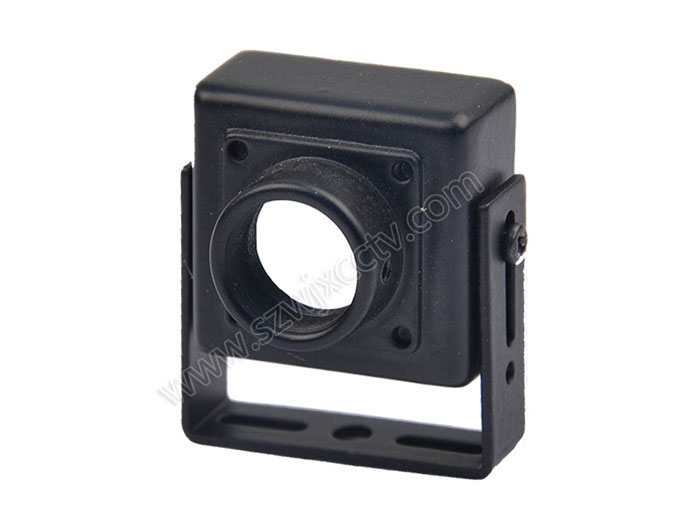
For shells that are small in size, complex in structure, and mainly used for decoration and assembly, zinc alloy has obvious advantages. The tail cover of the small bolt, the bracket connector, and the guard with fine ribs can be cast in one go from zinc alloy, eliminating the need for multiple CNC processes. The texture after surface plating or powder spraying is also more delicate.
It should be noted that zinc alloy will creep under long-term stress in high-temperature and high-humidity environments. The threaded joints should not bear large pre-tightening forces for a long time. The structure can be shared by inserts or thickening. For mounting posts with internal threads, zinc alloy can be directly cast and tapped, while aluminum alloy usually requires inlaid copper nuts. The assembly accuracy depends more on the quality of the insert.
What structure must be made of aluminum alloy?
Aluminum alloy should be given priority for large-size waterproof shells, single-board computer shells with heat dissipation requirements, and gun bodies that need to reduce the load on the vertical pole. The thermal conductivity of die-cast aluminum is about several times that of zinc alloy. With the heat dissipation ribs on the casing, the internal heat can be directed to the surface of the casing.
- Weight-sensitive, large installation height: choose aluminum alloy;
- Complex details, large batches, and want to reduce post-processing: choose zinc alloy;
- Long-term outdoor exposure to sun and rain: both require complete coating, and aluminum alloy must pay more attention to galvanic corrosion;
- Coating with stainless steel screws: Aluminum alloy needs to be coated for isolation or insulating pads.
Weijiaxin has both zinc and aluminum die-casting lines. During the review, a comparison plan was given based on structural size, wall thickness and heat dissipation requirements, allowing customers to choose between weight, cost and appearance, instead of deciding on materials first and then changing the structure. If the product has both weight and appearance requirements, a common compromise is to use aluminum for the main body and zinc for the decorative parts, and just provide insulation and fastening design between the two parts.