
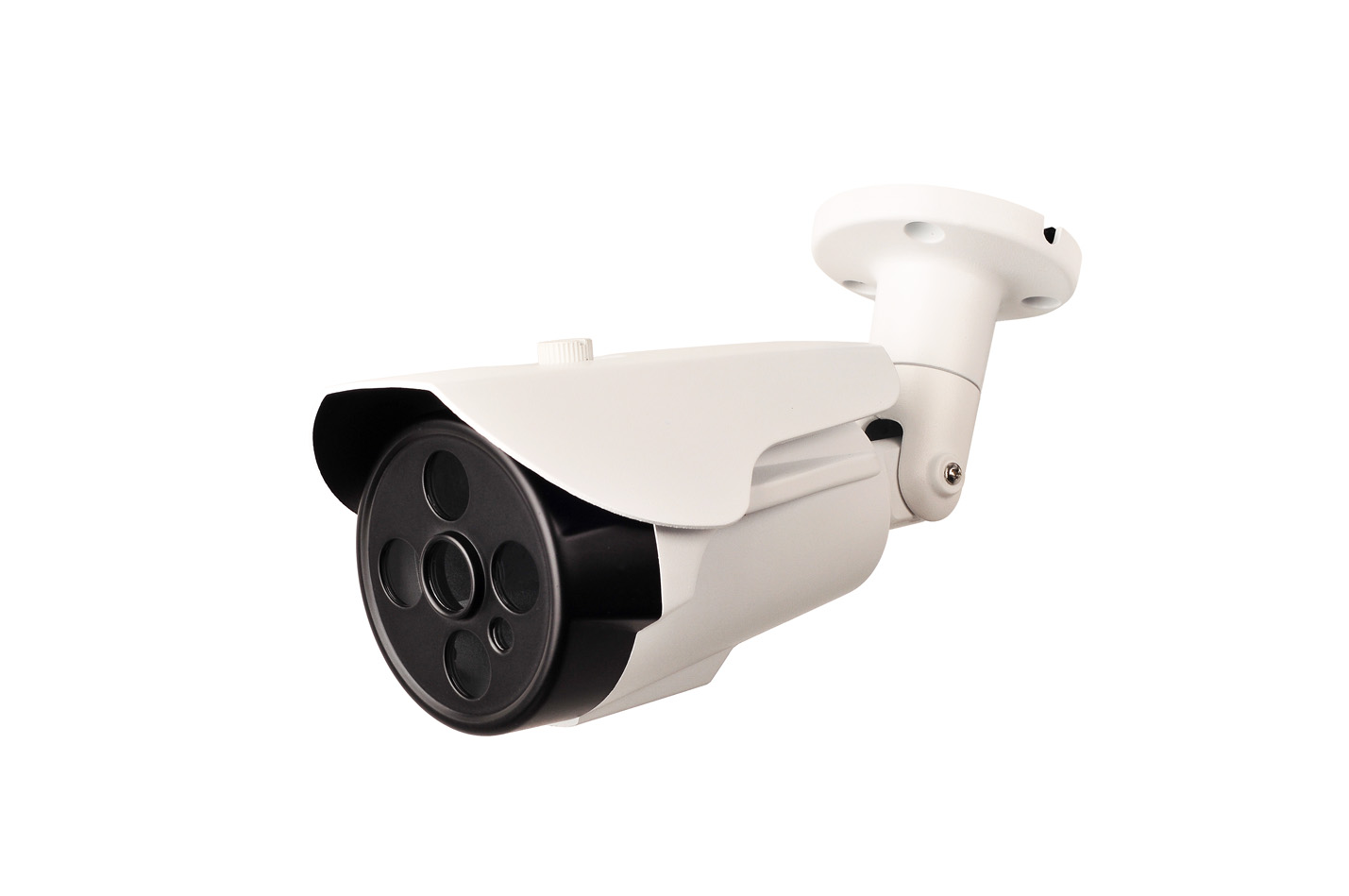
Three sources of water accumulation
When water enters the outdoor housing, it is rarely caused by the overall failure of the sealing ring. It is more likely that the water finds a gap after staying somewhere. There are three common sources: trapped water on the upper cover plane, water in the screw counterbore, and backflow at the cable entrance. The first two rely on gravity, and the third relies on capillary and pressure differences. Identify the source and use the wrong handling method.
Structural diversion methods
The top should be made into a single slope or a double slope. The slope does not need to be large, as long as it does not form a depression; the counterbore should be changed to a through hole and a sinking platform, or a drainage gap should be left under the screw cap; a drip line should be set on the side wall to allow the water flowing down the wall to escape before reaching the sealing surface. Arranging the cable entrance downward is the most cost-effective method. The bending radius is sufficient to naturally form a low-level bend, and water must climb up a slope to enter. If the decorative groove on the side of the shell is made into a horizontal channel, it is equivalent to building a horizontal path for water supply. It should be changed into a short disconnected channel or with a slope.
It should be noted that the diversion cannot lead water to other sensitive parts. Some designs lead water from the upper cover to the front of the lens, leaving water marks on the transparent cover, which in turn affects imaging. The diversion path should be marked on the shell expansion diagram, checking where the end point falls section by section.
Verification method
The rain test should be placed according to the actual installation angle, which is often ignored. The prototype passed when it was laid flat, but water leaked when it was installed on the pole. The reason is that the water's retention position changed after the posture was changed. It is recommended to make two groups with a pitch of 15 degrees each. The spraying time for a single group should not be less than half an hour. After spraying, let it sit for a while before disassembling the machine for observation. In areas with high wind pressure, the possibility of rainwater being blown in laterally should also be considered. If necessary, the cornice should be lengthened or a diversion lip should be added.
- Disassemble the machine and check for traces of water accumulation, focusing on the countersunk holes and inner corners
- Whether there is a water film on the sealing surface connecting the inside and outside
- Whether the inside of the cable entrance is moist
- Whether the drainage holes are blocked by spraying or glue
Weijiaxin inspected the drainage path and the sealing path separately during the structural review of the waterproof enclosure. When the two are mixed together, water accumulation in one place often affects the entire machine. The appearance of the gun machine and the ball machine are different, and the diversion ideas must be treated separately.
The diameter of the drainage hole should not be too small. Holes smaller than one millimeter are easily blocked by dust and insects in actual use, which is equivalent to none.