
There are three common ways to fix glass
Press ring fixation uses a circle of threads or buckles to press the glass on the front frame. The pressure is uniform and removable, but it requires sufficient frame width and processing accuracy. The dispensing and fixing process is simple and the appearance is neat. The disadvantage is that the curing and shrinkage of the adhesive layer causes stress and makes disassembly difficult. The method of pressing plate with double-sided tape is suitable for small-sized windows and has low cost. Long-term reliability depends on the temperature and weather resistance level of the tape.
The choice depends on maintenance requirements. For projects that require on-site replacement of glass, pressure rings are more suitable; for one-time packaged products, dispensing can be made thinner and more compact. The amount of glue and dispensing path must be written into the work file and rely on the operator's visual control. It is difficult to maintain consistency between batches.
Sealing relies on surface pressure, not glue volume
The linear expansion coefficients of glass and metal are different. When the temperature changes, the relative displacement of the two will cause the sealing interface to undergo shearing. The use of rubber rings for radial sealing allows a certain amount of displacement; the use of flat rubber pads requires sufficient flatness on both sides, and the thickness of the rubber pads cannot be too large, otherwise the compression will not be uniform.
The flatness of the glass itself is easily overlooked. Thin glass will bend when pressed, and the center and edges will fit differently, with water seeping first at the edges. When the window size is large, the thickness of the glass should be appropriately increased or the opening should be narrowed to avoid obvious deformation after compression. If there are steps around the window, the depth of the steps must match the thickness of the glass, otherwise the glass will float or not be pressed in place.
Details of assembly and inspection
The assembly sequence has a great influence on the results, especially the four corners. If one side is screwed to the bottom first, the glass will be pressed into a tilted state. One side of the rubber ring will be over-pressured and the other side will be under-pressured. The air tightness test will often pass the first time but fail after being left overnight.
- The edge of the glass should be ground. Sharp edges will cut the rubber ring and become the source of cracks;
- Tighten the clamping screws in diagonal order to avoid crushing one side first;
- In scenes where the temperature difference between the inside and outside is large, an anti-fog space or desiccant can be left inside the window;
- When the whole machine is airtight or flooded, the four corners of the window are the key observation positions.
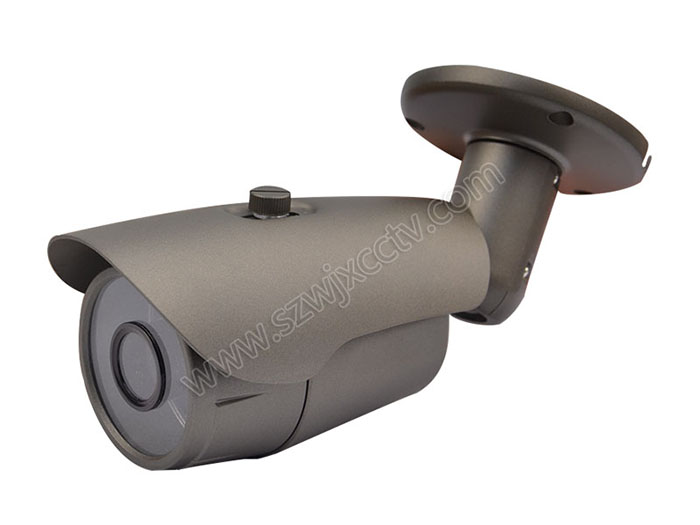
The lens window is responsible for both sealing and optics. If the rubber layer or rubber ring squeezes into the visible area, dark corners and stray light will be formed. Blocking steps should be left in the structure to block the seal from the field of view. In Weijiaxin's single-board computer and gun project, the window frame and the casing are die-cast together, which reduces an assembly link and makes it easier to control the flatness of the sealing surface.