
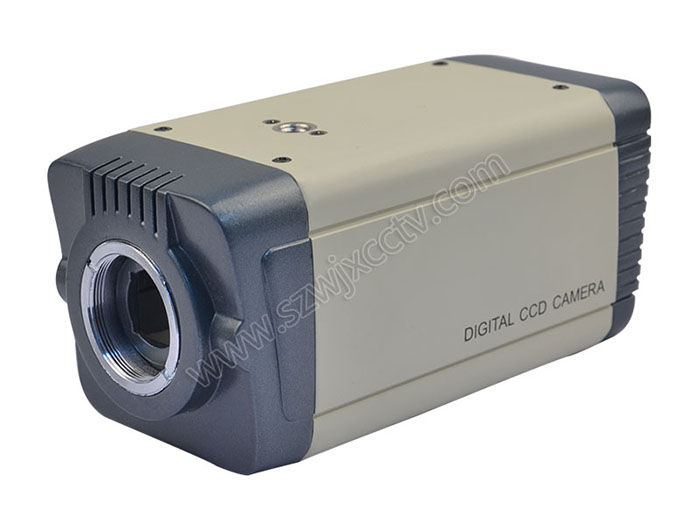
The two levels do not measure the same thing
The first digit after IP means dustproof, and the second digit means waterproof. The difference between 6 and 7 is waterproofing: IPX6 is a strong water spray, using a 12.5 mm nozzle, a pressure of about 100 kPa, and a flow rate of 12.5 L/min, spraying the shell from all directions for 3 minutes from a distance of about 3 m; IPX7 is a short-term immersion, and the sample is sunk to a depth of 1 m and left for 30 minutes. After taking it out, check whether there is water inside.
A shell that can withstand high-pressure water columns may not be able to withstand hydrostatic pressure. Water spray tests the dynamic pressure and the splash path at the gap, and water immersion tests the sealing surface fit and rubber ring rebound under continuous static pressure. The converse is also true. Products that are qualified for water immersion may still get water from the outlet hole when flushed at close range.
Where are the structural differences?
To achieve IP66, the focus is on shielding and diversion: the outlet holes are facing downwards, the screw holes are made into blind holes, and water-blocking lips are added to the joints to prevent water from staying. To achieve IP67, the focus turns to the sealing surface itself: sufficient compression of the rubber ring must be left, and the wall thickness must be able to withstand the deformation caused by 1 m of water pressure. Special attention must be paid to thin-walled and large-area single-board computer casings. When the wall thickness is insufficient, the middle part of the cover will be concave inward after being immersed in water, and the rubber ring will appear to be pressed tighter, but in fact it will gradually lose its resilience under long-term stress.
- Outdoor pole installation, no flushing conditions: IP66 is usually sufficient;
- Buried, low-lying, prone to water accumulation, and frequent flushing situations: designed according to IP67;
- Long-term immersion or underwater use: beyond the scope of IP67, another solution is required;
- No matter which grade, the outlet hole and the lens window are the first places to fail.
Also pay attention to the condition of the test sample. The risk of water intrusion is different between the whole machine with sunshade and bracket and the bare shell. If only the bare shell is tested when submitting for inspection, the conclusion cannot be directly applied to the whole machine. In addition, if the cable outlet is not placed according to the actual installation direction, water will enter the connector along the cable, and the measured results will be optimistic.
How to ask the supplier when selecting a model
Purchasing can ask specific questions: whether the sealing groove is precision milled after die-casting or directly cast, what is the material and hardness of the rubber ring, whether the outlet hole is filled with glue or a waterproof joint, and whether the whole machine is airtight one by one. These answers provide a better indication of a product's margin under real-world operating conditions than a grade label. The same shell is drawn according to IP66 and IP67. The mold structure may not be much different, but the processing, apron specifications and inspection hours are different. This is often where the difference in quotation comes from.
Weijiaxin will ask about the installation method and maintenance frequency when receiving orders, and then decide whether to draw the sealing plan according to IP66 or IP67. It neither piles up the cost for the label nor writes the grade as high as it cannot be achieved.