
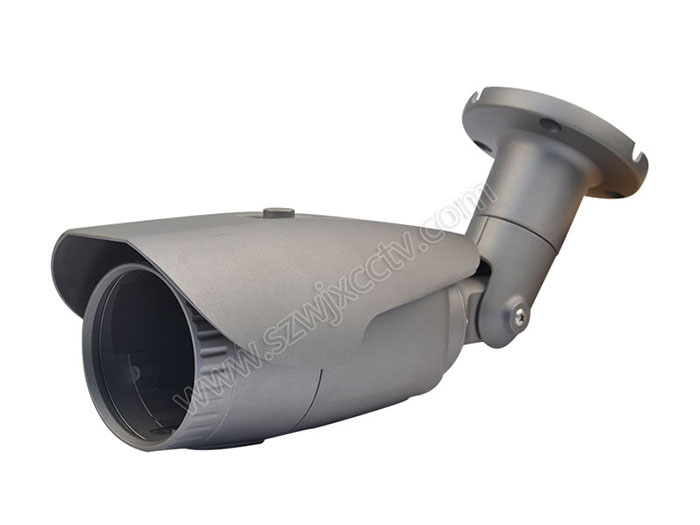
First calculate the forces during transportation
The starting point of packaging design is weight and stacking height. The gross weight of a single box, the number of stacking layers in the container, and the storage height determine how much compressive strength the outer box needs. According to experience, the compressive strength of the box should be more than three times the total weight of the stack, leaving a margin for humidity attenuation. The strength of corrugated boxes will drop by 30 to 40% in a shipping environment.
The thickness of the buffer layer is estimated based on the drop height. The drop height for domestic trunk line transportation is based on 80 cm, and the value for export sea transportation is based on 60 cm but the vibration time is longer. The shell is a metal part with a certain degree of rigidity. The buffer layer mainly absorbs the impact of edges and interfaces. The 10 mm molded lining is sufficient in most cases.
Weight distribution should also be looked at. The interface mounts and lens windows at both ends of the casing are partially thickened areas, and the weight is not centered. These locations are often the first to hit the ground when dropped. The inner lining is thickened individually in these parts, which saves more material than increasing the density as a whole.
Three actions to be solved structurally
The first action is fixation. The displacement of the shell in the lining is controlled within 2 mm and is limited by slots and buckles, without relying on tape. The second action is isolation. There must be physical partitions between parts. The lens window and interface should be placed facing inward to avoid direct pressure. The third step is to prevent moisture. Add moisture-proof film and desiccant to the shipping box to prevent condensation from staying on the metal surface.
- Long-shaped gun shells are clamped at both ends and supported in the middle;
- When flat single-board machine shells are stacked, partitions are added between layers;
- Accessories and instructions are bagged separately and placed in independent compartments;
- The inner wall of the outer box is pasted with a moisture-proof film, and the seams are compacted.
The balance between verification and cost
After the plan is completed, verification is required: full box drop, vibration table frequency sweep, stacking pressure. The drop is carried out in the order of one corner, three edges and six sides, taking the weakest angle; the vibration simulates the transportation road spectrum and checks whether the lining is displaced. The verified plan is solidified into a work instruction, and the boxes are packed and placed according to the diagram, without relying on personal experience.
Cost control does not have to be blindly thickening. Placing the buffer material at the stress point is more economical than thickening the whole. The outer box size matches the inner width of the container to reduce gaps and reduce movement during transportation.
In export projects, Weijiaxin provides packaging suggestions based on the customer's actual transportation method. The lining configurations for sea transportation and air transportation are different, and the customer can calculate the landed cost accordingly.