
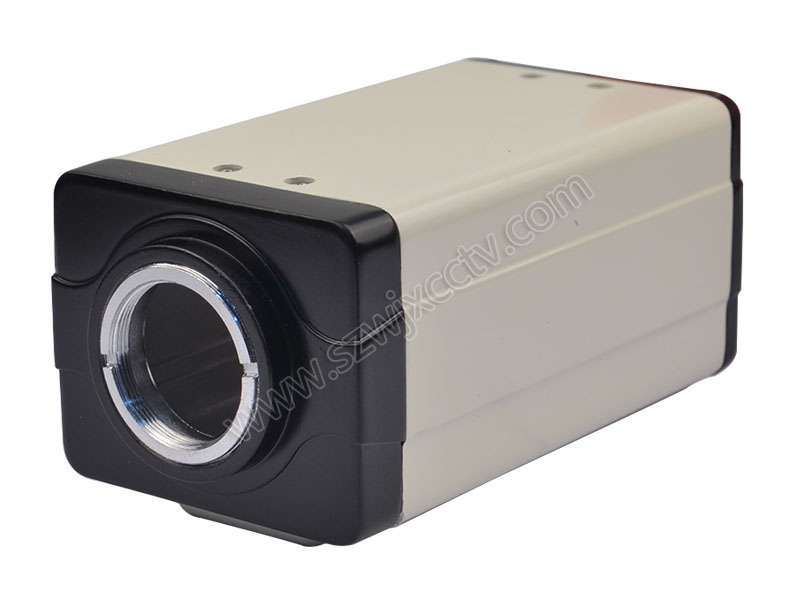
The first thing that changes with temperature is size
The linear expansion coefficient of aluminum alloys is about 23×10⁻⁶/degrees Celsius, zinc alloys are closer to 27, and engineering plastics are between 50 and 80. A 200mm long case, heated from minus 20 degrees Celsius to 60 degrees Celsius, will stretch less than 0.4mm for aluminum parts and perhaps more than 1mm for plastic parts. The gaps between the sealing groove and the rubber strip, the lens holder and the lens must be recalculated based on this difference.
Temperature differences can also change matching properties. The expansion amounts of aluminum shells and steel screws are different. The pre-tightening force of the thread pair increases at high temperatures and drops to close to looseness at low temperatures. After plastic parts shrink at low temperatures, the thread bite of self-tapping screws becomes shallow, and thread slippage is prone to occur after repeated disassembly and assembly. For cross-material fits, either allow for compensating gaps or use elastic fastening solutions instead.
The test of low temperature is toughness
The strength of die-cast aluminum alloy does not change much at minus 30 degrees Celsius, the impact toughness decreases slightly, and the thin-walled corners are more sensitive to drops. The low-temperature brittleness of zinc alloy is more obvious, and thin-walled long cantilever structures are easily broken when dropped at low temperatures. The differences between various types of engineering plastics are even greater. Polycarbonate still has good toughness at low temperatures, while ordinary ABS and some modified materials become obviously brittle.
To judge whether it is sufficient, you cannot just look at the normal temperature data. Put the assembled sample into the high and low temperature chamber, keep it at minus 20 degrees Celsius for two hours, then drop or impact it, and then return to normal temperature to check the sealing and appearance. This sequence is closer to the actual transportation and installation scenario than doing room temperature drops alone.
The seal is the first link to fail
The rubber strip accelerates compression and permanent deformation at high temperatures, and rebounds slowly at low temperatures. Silicone has a wide application range, nitrile starts to harden at temperatures as low as minus 20 degrees Celsius, and EPDM has good weather resistance but average low-temperature elasticity. When choosing a rubber strip, you need to look at high-temperature deformation and low-temperature rebound at the same time. Measuring only one can easily lead to misjudgment.
- The temperature cycle is from minus 20 to 65 degrees Celsius, each maintained for two hours, and cycled more than five times;
- After the cycle, re-measure the sealing surface gap and the compression amount of the rubber strip, and record the rebound time;
- For plastic parts, pay attention to shrinkage and warpage near the gate to avoid assembly stress concentration;
- For metal parts, check whether the coating has cracks and blisters.
Temperature does not act alone, it always appears together with humidity, ultraviolet rays, and vibration. When selecting materials for outdoor models, Weijiaxin first determines the temperature range, then determines materials and sealing plans, and calculates the fit tolerances based on extreme temperatures to avoid exposing problems after normal temperature samples are qualified and installed on site.