
The starting point of failure is chloride ions
The corrosion pressure of coastal projects does not only come from rainwater. Chloride ions suspended in the air adhere to the surface of the shell along with moisture, condensing when the temperature drops at night. When the temperature rises during the day, the water evaporates and the salt concentration increases. This repeats, and pitting corrosion occurs first at the contact surface between the coating defect and the screw. Strong winds carry salt spray higher, and equipment mounted on tall poles is exposed to more salt deposits than on the ground.
Another path is galvanic corrosion. The aluminum shell is equipped with stainless steel screws. The potential difference between the two is large. Once there is an electrolyte bridge, the aluminum side will be corroded preferentially. White powdery products will appear around the screw holes. The threads will gradually lose their clamping force and the seal will loosen.
A few things that can be done structurally
Waterproofing and anti-corrosion should be done together. If condensed water accumulates inside the shell for a long time, even if the outer coating is intact, the inner wall will corrode from the bottom of the sealing groove. The design leaves a drainage and breathable structure at the lowest point to avoid the formation of a water trap; maintain sufficient wall thickness between the sealing groove and the screw hole to prevent moisture from penetrating along the threads.
Add insulating gaskets or nylon washers to the contact surfaces of dissimilar metals, use the same series of stainless steel for screws and control the tightening torque; thick-film powder spraying is preferred for surface treatment of die-casting parts, and the exposed surface after trimming and tapping is repainted. Insufficient film thickness at the corners is often where the earliest blistering occurs in the salt spray test. In terms of coating system, the combination of primer and topcoat provides better coverage at corners than a single thick coating, at the expense of increased process steps and baking times.
How to read salt spray data
Neutral salt spray is carried out using 5% sodium chloride solution and continuous spraying at 35°C. The results are described by appearance rating and unilateral corrosion expansion at the scribed line. It should be noted that the number of salt spray hours is not equal to the service life. It only provides a horizontal comparison under the same conditions; under the same number of hours, the conclusions of scratch test pieces and light test pieces are often one level different. The salt spray deposition, pH and spray angle in the test chamber will all affect the results. The conditions should be clearly stated in the report, otherwise the data cannot be compared horizontally.
- The material and surface treatment of the test piece must be consistent with the mass-produced parts, and cannot be just bare plates;
- The test piece has scratches and folds to simulate weak points after transportation bumps;
- Record the appearance time of blistering, discoloration and corrosion products, rather than just looking at the final state;
- Look at the film thickness and adhesion at the same time during acceptance, and single passing is not enough to judge.
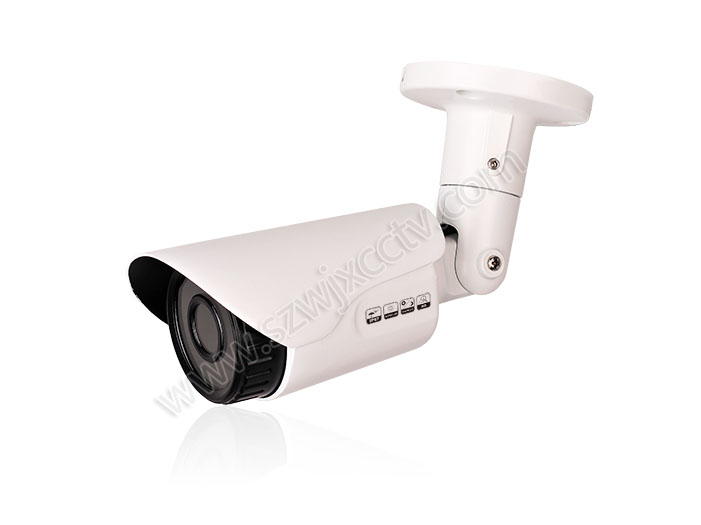
Weijiaxin will include the installation height, distance from the sea and cleaning methods in the coastal project review, and determine the film thickness and test duration accordingly. Coastal projects often deliver the shell and bracket as a set. The film thickness and fastener material of both need to be confirmed together to prevent the bracket from rusting first. Thinking about the corrosion path in advance is more cost-effective than thickening the coating afterwards.