
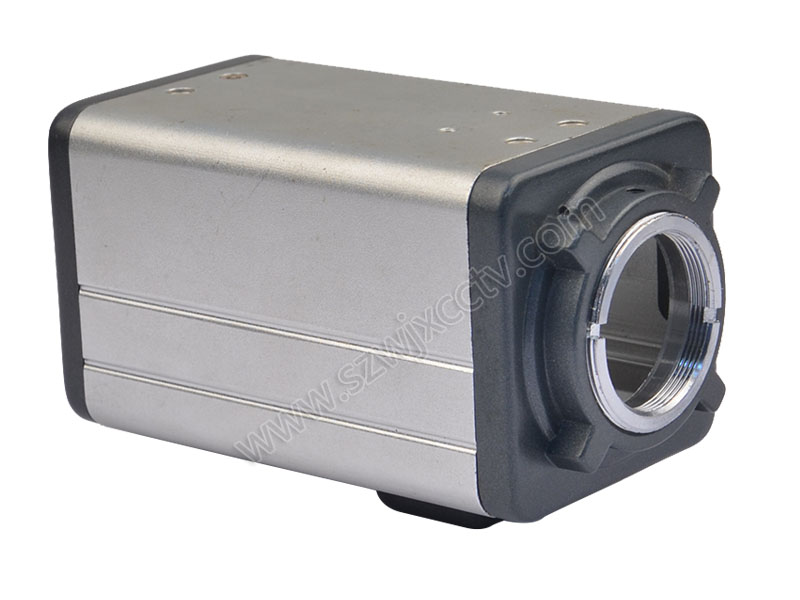
Determine the outlet direction first, then determine the hole location
The outlet hole is the most easily overlooked water inlet of the housing. The holes should be facing downward or diagonally downward to prevent water from entering along the cable; when exiting the cable from the side, leave a space for drip bends to allow water to leave the cable at the lowest point. If the orifice is pressed against the parting surface or sealing groove, it is equivalent to opening a hole at the weakest point, which must be avoided.
The wire diameter determines the aperture diameter, but the aperture diameter should not be made close to the wire diameter. The remaining gap needs to be filled with seals. If the gap is too large, the seal will be difficult to compact. If the gap is too small, the sheath will be scratched during threading, burying the hidden danger of chronic water seepage. For multi-core cables, you should also pay attention to the layering between the outer cover and the single wire. If the colloid penetrates between the wires during glue filling, a capillary channel will be formed.
Glue filling and waterproof joints are two different routes
The glue filling method has low cost and simple structure. It is suitable for cable fixation and does not require on-site disassembly and assembly of products. The key points are that the bonding surface between the colloid and the shell is clean and of sufficient length. The glue layer completely covers the outer cover of the cable. There should be no air bubbles after curing. The disadvantage is that the maintainability is poor, and repairs can basically only replace the entire piece.
The waterproof joint method facilitates on-site installation and maintenance. The key lies in the thread fit and sealing gasket. The torque for screwing in the joint should be written in the work instructions. If the torque is insufficient, the gasket will not be compacted. If the torque is too high, the plastic parts will be cracked or the metal thread will slip. A common approach is to add a rubber ring to the root of the joint to match the flat sealing table on the housing.
Stress and Inspection
Long-term vibration should also be considered in outdoor projects. The pole swings in the wind and the cable moves repeatedly. If there is no stress relief at the joint, the sealing ring will gradually be worn into grooves, and water leakage will start from invisible places. Leave a free length between the cable fixing point and the connector to allow the swing to be absorbed by this buffer.
- Leave a margin for the cable in the shell and fix it with a tie to prevent tensile force from acting directly on the solder joints;
- A reinforcement platform is made inside the outlet hole to prevent the shell from deforming when the connector is tightened;
- The finished product is subjected to a pull-out test, and after maintaining the specified force value, check whether the seal has failed;
- Separately seal the outlet hole during the air-tight test to determine whether the leakage point is here.
Weijiaxin will draw the cable direction and fixing points into the drawings during the structural review and deliver them together with the casing to reduce the uncertainty caused by on-site processing. The outlet position also affects packaging and transportation. The structure with the outlet facing downward is less likely to press the cable during stacking.