
Why does the outdoor casing lose gloss from the corners first?
Outdoor guns are exposed to rain, ultraviolet rays and temperature difference cycles for a long time. Loss of gloss and color difference on the top surface are common aging manifestations of the coating. When disassembling typical failed parts, we can see that the film thickness distribution is often uneven: about 90 μm at the flat surface, and only about 50 μm at the corners and roots of the heat dissipation ribs. The thinner areas age first.
The thicker the powder coating film, the better. If the film is too thick, the internal and external shrinkage will be inconsistent during curing, the adhesion will decrease, and the entire film will easily peel off upon impact; if it is too thin, the base material will not be covered, and ultraviolet rays will reach the coating interface directly. For outdoor parts, the dry film thickness is usually controlled at 60–80 μm, and the tolerance is written into the process card.
What has been changed
The first step is pre-processing. If the release agent residue and oxide film on the surface of the die casting are not removed, the powder adhesion will only be false. Now add two water washes after alkaline degreasing, and rinse with pure water before drying to avoid salt in the water marks remaining on the substrate. The concentration and temperature of the pre-treatment bath liquid are recorded by shift. If the conductivity of the rinsing water exceeds the set value, the water is changed. This step can improve adhesion better than adding a spray.
The second step is the spray gun and hanger. Adjust the gun distance and powder output, and re-spray geometrically blocked locations such as heat dissipation ribs and screw hole edges; the hanger is changed to a rotatable structure so that the corners can face the spray gun in both sprays. The third step is the curing curve. According to the temperature and holding time of the window fixture given by the powder supplier, no longer judge by color. For shields with dense heat dissipation ribs, the shielding position is adjusted on the hanger to make the electric field distribution at the corners more even, and the film thickness difference between the plane and the corners is significantly narrowed.
How to follow the inspection
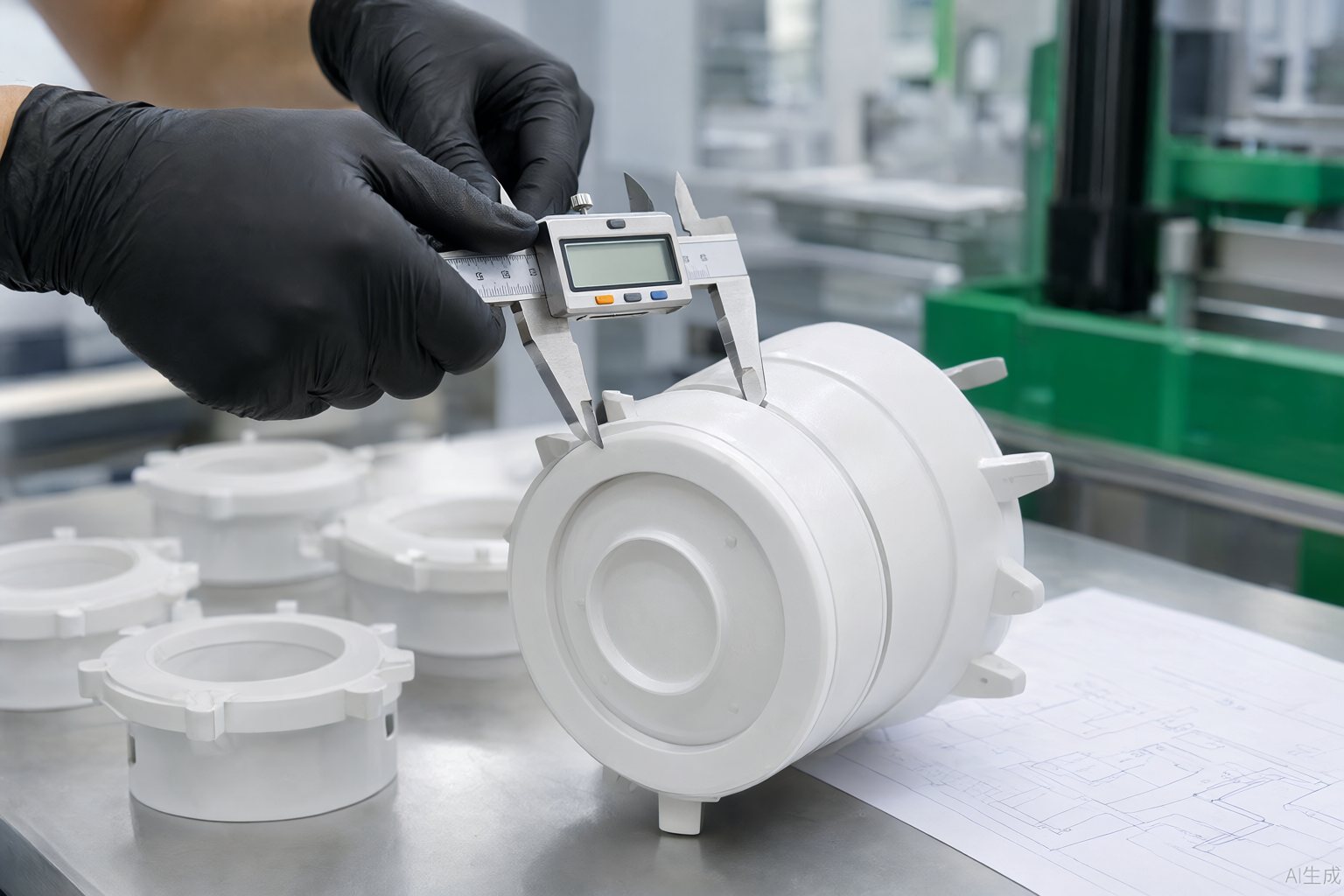
- Measure the film thickness of each batch of pieces, record the flat surface and corners separately, not just the thickest part;
- Measure the adhesion by the cross-hatch method, observe the number of strips that fall off after the tape is torn;
- Send samples for neutral salt spray and UV aging periodically as a basis for process adjustment;
- Compare the color difference with color cards, and keep samples separately for the same batch and across batches.
The effect of the modified process must be tested in the return order. Three consecutive batches of samples of the same gun shell are sent. If the film thickness and color difference data fall in the same range, it means that the parameters have been solidified; if the fluctuation between batches is still too large, the problem is mostly in the state of the rack and the stability of the pre-processing, rather than the powder itself.
For procurement, the weather resistance performance of outdoor enclosures depends on the coating system and process discipline, rather than a single indicator. Weijiaxin puts pre-treatment, powder spraying and die-casting in the same factory to coordinate. The roughness of the substrate and outgassing defects can be controlled at the source, so that the coating adhesion has a stable foundation.